Home Remedies for Bloating & Gas

Bloating and gas are very common digestive issues. Many people experience heaviness, tightness in the stomach, or excessive gas due to food choices, eating habits, stress, or irregular routines.

While persistent symptoms should be discussed with a healthcare provider, some simple natural remedies and daily habits may help support digestion and reduce the feeling of bloating.

Below are gentle home-based options that many people find helpful.

1. Warm Water Sips

Drinking warm water slowly may support digestion and ease discomfort.
How to use:
1. 1–2 cups warm water
2. Sip slowly throughout the day
3. Especially helpful after meals
Why it may help:
Warm water can relax the digestive system and help reduce the feeling of heaviness.

2. Ajwain (Carom Seeds) & Warm Water

Ajwain is widely used in Indian households for digestive comfort.
How to use:
1. ½ teaspoon ajwain
2. Mix with warm water
3. Drink after meals
Why it may help:
Ajwain may support faster digestion and ease gas formation.

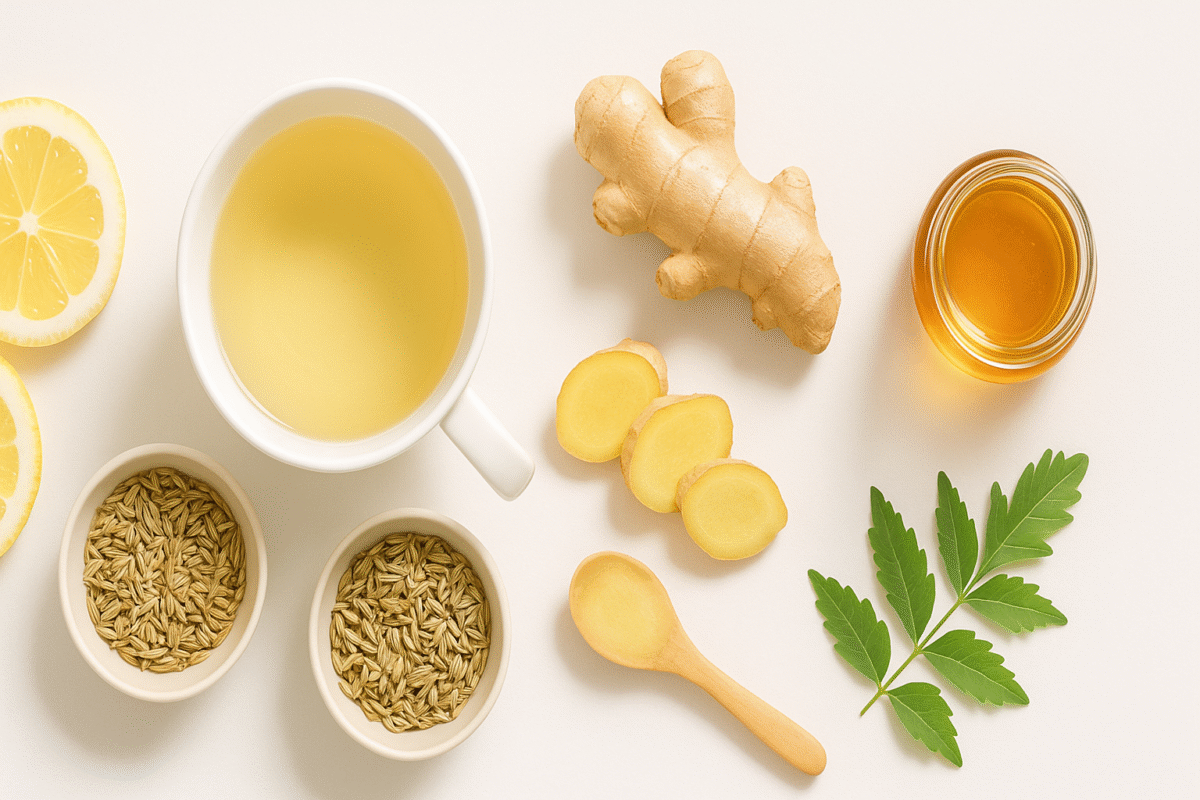
3. Fennel (Saunf) Tea

Fennel is known for its soothing effect on the stomach.
How to prepare:
1. Boil 1 teaspoon fennel seeds
2. Strain and drink warm
3. Once or twice a day
Why it may help:
Fennel tea may help relax the digestive tract and reduce bloating.

4. Ginger Water

Ginger may help support digestion, especially after heavy meals.
How to prepare:
1. 1-inch ginger boiled in water
2. Drink warm
3. Twice a day
Why it may help:
Ginger has natural warming properties that may help ease discomfort.

5. Lemon Water After Meals

Lemon water may support digestive juices.
How to use:
1. ½ lemon squeezed in warm water
2. Drink after lunch
Why it may help:
It may help reduce heaviness and support smoother digestion.

6. Cumin (Jeera) Water

Jeera water is one of the simplest home remedies for bloating.
How to prepare:
1. 1 teaspoon cumin
2. Boil in 1 cup water
3. Drink warm
Why it may help:
Jeera may help calm gas, reduce heaviness, and support digestive flow.

7. Light Walking After Meals

One of the most helpful habits for digestion.
How to do:
1. 10–15 mins slow walking
2. After lunch or dinner
Why it may help:
Movement supports digestion and may prevent gas buildup.

8. Soaked Raisins in the Morning

This is a gentle morning remedy for digestion support.
How to use:
1. Soak 8–10 raisins in water overnight
2. Eat them in the morning
Why it may help:
Soaked raisins are soothing for the stomach and support bowel movement.

9. Avoid Eating Too Fast

Eating quickly can trap air, leading to bloating.
Try:
1. Chew food slowly
2. Take small bites
3. Eat mindfully
Why it may help:
Slow eating reduces air intake and supports better digestion.

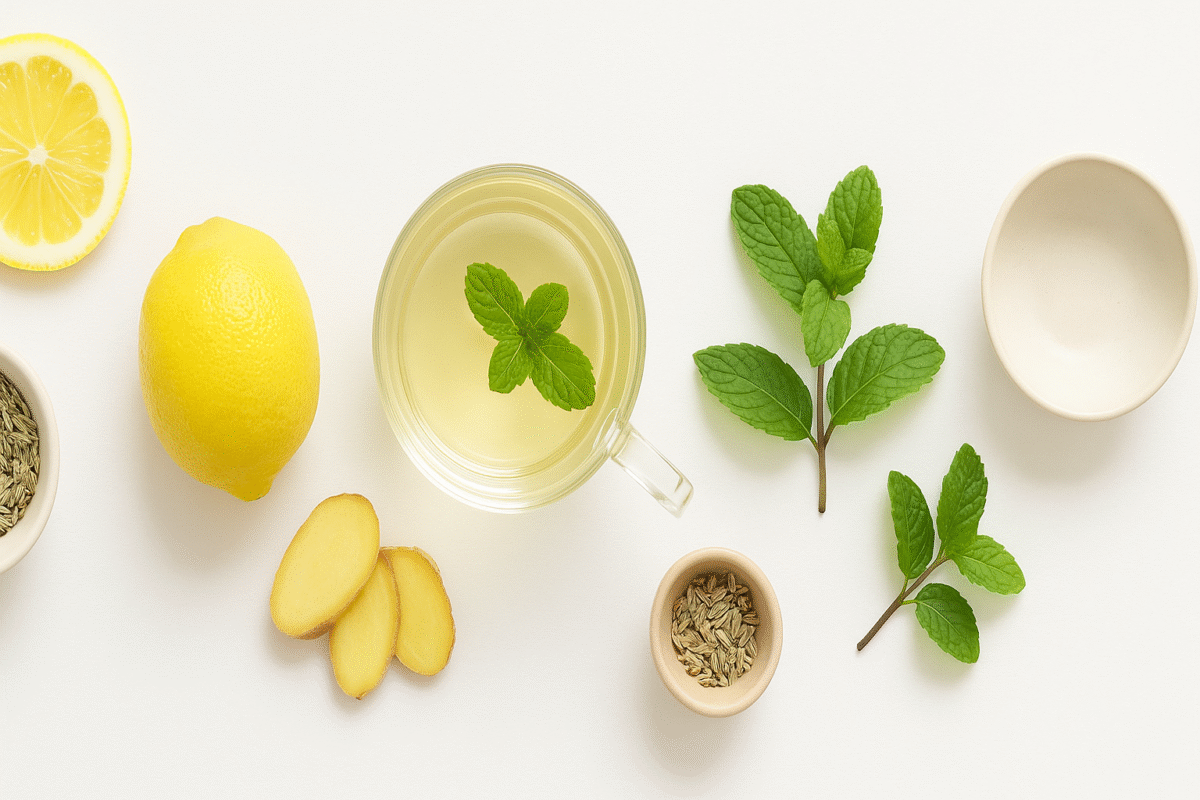
10. Try a Simple Mint Drink

Mint leaves may help soothe bloating.
How to prepare:
1. Crush 5–6 mint leaves
2. Add to warm water
3. Sip slowly
Why it may help:
Mint may help relax digestive muscles.

11. Reduce Fizzy Drinks for a Few Days

Soft drinks can increase gas for many people.
Try:
1. Avoid carbonated drinks
2. Choose water or herbal tea instead
Why it may help:
Less carbonation = less trapped gas.

12. Practice Deep Breathing

Stress is closely linked to gas and bloating.
Try:
1. Inhale 4 seconds
2. Exhale 6 seconds
3. Repeat 5 times
Why it may help:
Relaxation may support easier digestion.

When to Seek Professional Advice

Natural remedies may support occasional bloating, but consult a healthcare provider if:

1. Your symptoms are very frequent
2. Bloating continues for many weeks
3. You experience severe pain
4. You notice sudden changes in digestion
5. There is vomiting or blood in stool
6. Your health and safety come first.

FAQ

1. Does drinking cold water cause bloating?
Cold water doesn’t directly cause bloating but warm water may feel more soothing.
2. Which foods commonly cause bloating?
For some people: beans, lentils, fried foods, fizzy drinks, spicy meals, and heavy dinner.
3. Are bananas good for gas?
Bananas support digestion for many people but everyone reacts differently.
4. Can stress cause bloating?
Stress may worsen digestive symptoms like gas and acidity.


How to Reduce Acidity Naturally at Home

Acidity is a very common issue in daily life. Many people experience burning in the chest, sour burps, heaviness, and discomfort after meals.
While long-term or severe symptoms should be discussed with a healthcare professional, some simple everyday habits and natural home ingredients may help support digestion and reduce acidity sensations.

Here are some gentle methods that many people use at home.

1. Drink Warm Water Slowly

Warm water can help the body relax and may support smoother digestion.
Sip 1 glass of warm water slowly instead of drinking quickly.

How to use:
1.1 glass warm water
2.Sip slowly
3.Anytime you feel discomfort

Why it may help:
Warm water can feel soothing for the stomach and may support easier digestion.

2. Lemon Water (Mild, Not on Empty Stomach)

A mild lemon-water drink may help neutralize heaviness in the stomach.

How to use:
1. ½ lemon
2. 1 cup warm water
3. After meals (not empty stomach)

Why it may help:
Lemon mixed with water becomes alkaline after digestion, which may help reduce acidity sensations for some people.

3. Jeera (Cumin) Water

Cumin is commonly used in Indian households for digestive comfort.

How to prepare:
1. Add 1 teaspoon cumin seeds
2. Boil in 1 cup water
3. Drink warm

When to take:
After lunch or dinner

Why it may help:
Cumin water is known for supporting digestion and easing heaviness after meals.

4. Saunf (Fennel) Tea

Fennel seeds are traditionally used after meals to support digestion.

How to prepare:

1. 1 teaspoon fennel seeds
2. Boil in 1 cup water
3. Sip after meals

Why it may help:
Fennel may help relax the digestive tract and reduce bloating or gas, which often accompany acidity.

5. Ginger Water

Ginger is known for its soothing and warming nature.

How to prepare:
1. 1–2 small slices of ginger
2. Boil in 1 cup water
3. Drink warm

When:
Once or twice a day

Why it may help:
Ginger may support the digestive process and help reduce discomfort.

6. Banana

A ripe banana is gentle and commonly used for acidity.

How to use:
1. 1 small ripe banana
2. Anytime during the day

Why it may help:
Bananas contain natural fibre and minerals that may help calm the stomach.

7. Cold Milk (If Suitable for You)

This works for many people, but not for everyone.

How to use:
1. ½ cup plain cold milk
2. Slowly sip

Note:
If milk increases discomfort, avoid it.

8. Avoid Lying Down After Meals

This is a very important habit.

Recommended:
1. Stay upright for 30–40 minutes
2. Take a light walk

Why it may help:
Gravity helps digestion and may reduce upward movement of stomach acid.

9. Eat Smaller, More Frequent Meals

Large heavy meals can trigger acidity easily.

Tips:
1. Eat 4–5 small meals
2. Avoid overeating
3. Chew slowly

Why it may help:
Small meals put less pressure on the stomach.

10. Reduce Spicy, Fried, and Oily Foods

These foods may irritate the stomach lining.

Consider limiting:
1. Deep fried foods
2. Spicy gravies
3. Chips
4. Heavy restaurant meals

Why it may help:
Simple, light meals reduce digestive stress.

11. Try a Simple Ajwain Mix

Ajwain (carom seeds) is traditionally used for gas and heaviness.

How to use:
1. ½ teaspoon ajwain
2. Warm water
3. After meals

Why it may help:
Ajwain may support faster digestion and reduce gas-related acidity.

12. Practice Slow Breathing

Stress can worsen acidity.

Try this:
1. Inhale for 4 seconds
2. Hold for 2 seconds
3. Exhale for 6 seconds
4. Repeat 5 times

Why it may help:
Relaxation may help reduce the frequency of discomfort.

When to Seek Professional Advice

While home remedies may help with occasional discomfort, consult a healthcare provider if:

1. Acidity occurs very frequently
2. Symptoms become severe
3. You experience pain, vomiting, or difficulty swallowing
4. You have long-term digestive issues

Your health should always come first.

FAQ

1. Can I drink coffee if I have acidity?
Some people find coffee triggers acidity. You can try reducing it and observe if it helps.
2. Are bananas good for acidity?
Many people use bananas for relief, but responses vary from person to person.
3. Does skipping meals cause acidity?
For some people, long gaps between meals may increase acidity sensations.
4. Can stress cause acidity?
Stress doesn’t directly cause acidity but may worsen the symptoms.